
MEDICAL REVEW BY: DR. MICHAEL WONG, DVM, DACVIM (NEUROLOGY)
When pet parents notice lameness in dogs, the first thought is usually straightforward: Did my dog hurt a leg? A sprain, a torn ligament, a sore paw, or maybe it’s arthritis... And most of the time, that instinct is correct.
But every day in veterinary neurology, we see lameness in dogs that is not coming from bones, joints, or any physical injury. Instead, the problems we uncover lie in the nervous system.
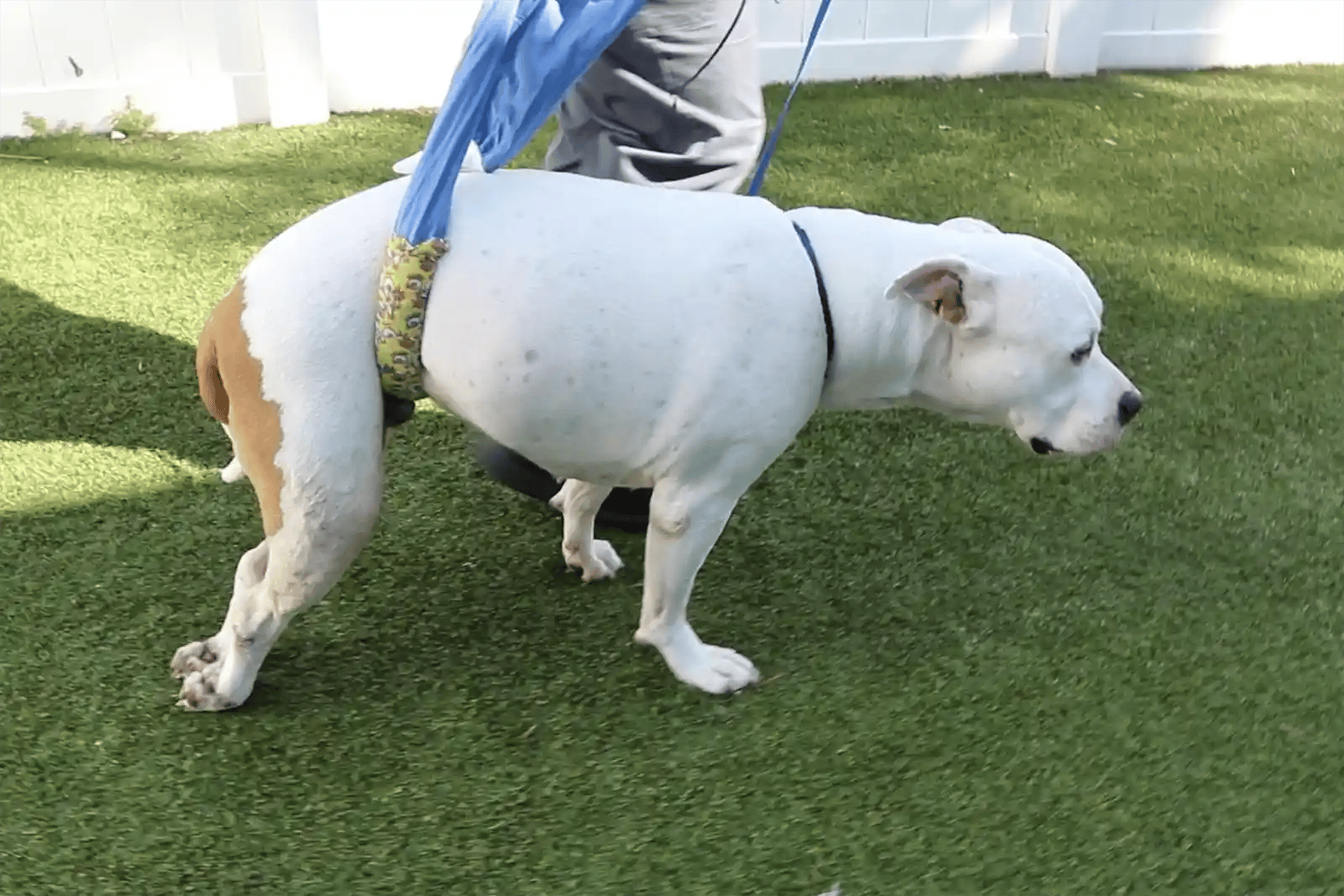
What makes these cases challenging is that they can look very similar at first. This article explains what lameness in dogs really means, how neurological causes differ, and when it might be time to look beyond the limb itself.
What Does "Lameness in Dogs" Actually Mean?
First of all, lameness does not always mean pain. When we talk about lameness in dogs, we’re referring to an abnormal gait or difficulty using a limb, which may be due to pain, weakness, or dysfunction within the musculoskeletal or nervous system. This can look like limping, stiffness, reluctance to move, dragging a paw, or holding a leg up.
Lameness is a clinical sign that can stem from many different conditions, including physical injuries, joint disease, infections, fractures, or neurological problems. Determining the cause requires a veterinary evaluation.
Is Lameness in Dogs Always a Physical Injury or Orthopedic problem?
While physical injuries and orthopedic problems are the most common causes of lameness in dogs, neurological causes are also possible, but are often overlooked, especially early on.
Neurological lameness stems from problems affecting the nervous system, specifically the:
- Spinal cord
- Nerves
- Muscles
However, these problems cause lameness for reasons that differ from physical injuries or orthopedic disease. In neurological cases, dogs may have difficulty walking not because something hurts, but because the nervous system is not properly controlling movement.
How Do Neurological Problems Cause Lameness in Dogs?
Normal movement depends on constant communication between the brain, spinal cord, nerves, and muscles. The brain sends signals down the spinal cord, those signals travel through nerves to the muscles, and sensory information travels back to the brain to fine-tune movement and balance.
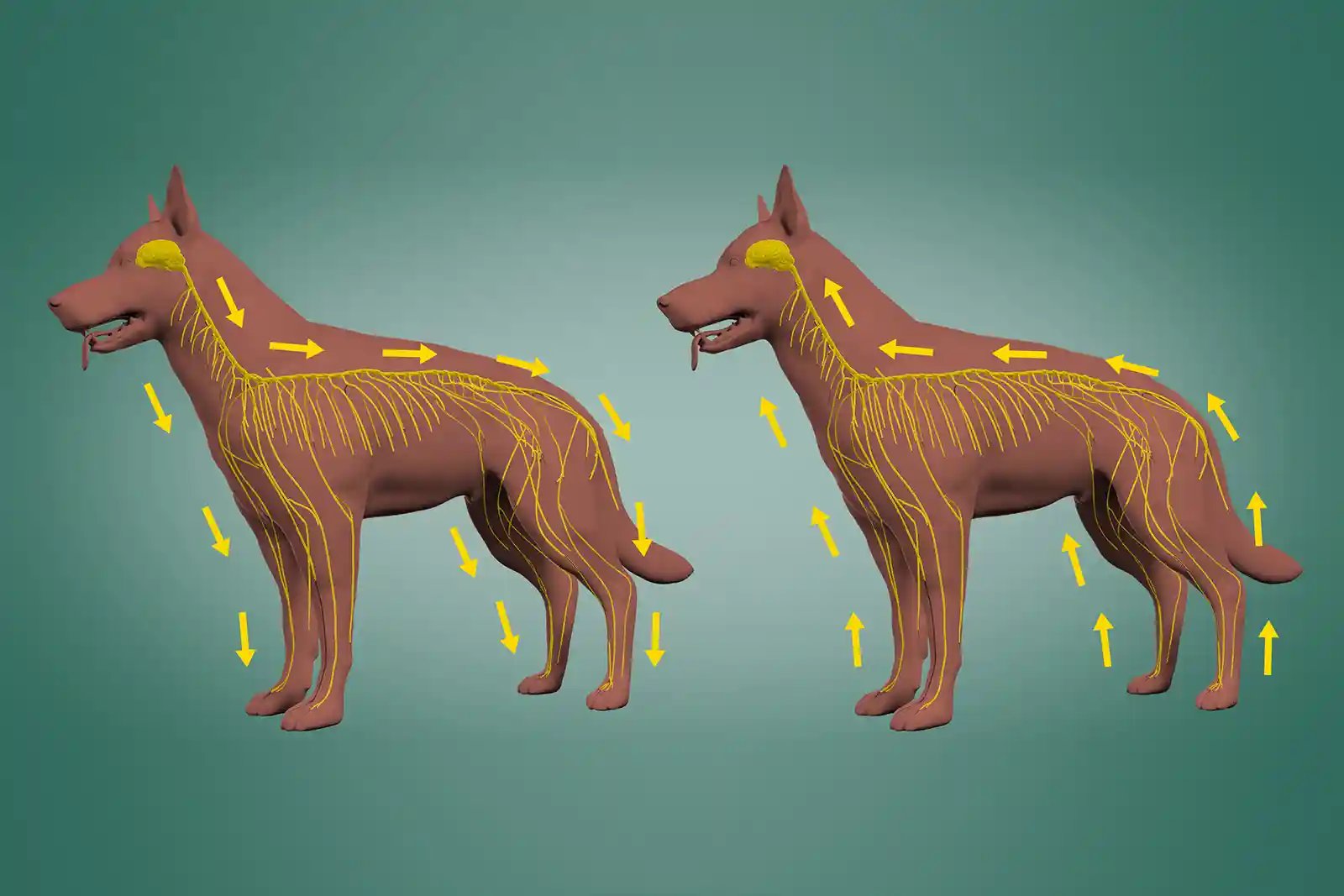
When the nerves that supply a limb, the muscles themselves, or the portion of the spinal cord where those nerves originate are affected, that communication breaks down. In these cases, a dog may appear lame even though the limb itself is healthy. The result is often weakness or difficulty using the limb, rather than classic pain-driven limping.
What Does Neurological Lameness in Dogs Look Like?
Neurological lameness behaves differently from orthopedic lameness, although the differences can be subtle at first. With time, certain patterns tend to emerge.
Clues to watch for at home include:
- Knuckling or dragging: Dogs may walk on the top of their paw, scuff their paw, or even drag a limb. This suggests a loss of position awareness, not pain.
- Weakness or loss of coordination: Instead of avoiding weight due to pain, the leg may wobble or give out.
- Multiple limb involvement: Orthopedic issues and physical injuries often involve one leg, while many neurological conditions often affect two or four limbs.
- Associated neurological signs: A limp paired with signs such as weakness, coordination issues, muscle twitching, muscle atrophy, or incontinence may indicate that the underlying problem is neurological rather than orthopedic.
- Atypical daily patterns: Arthritis commonly causes stiffness after rest that improves with movement. Lameness that instead worsens with activity (especially without clear pain) can point to a neurological problem.
Does Neurological Lameness in Dogs Cause Pain?
Some neurological conditions can be very painful, such as a slipped disc (IVDD), while others may cause weakness or coordination problems without obvious pain. This is why some dogs with neurological lameness still seem bright, happy, and eager to move, even though their gait is clearly abnormal.
What Are Some Common Neurological Causes of Lameness in Dogs?
Neurological lameness can originate from several different parts of the nervous system, and the underlying causes vary widely.
Spinal cord disorders are a common neurological cause of difficulty walking and may include:
- Intervertebral disc disease (IVDD)
- Fibrocartilaginous embolism (FCE)
- Degenerative myelopathy
- Wobbler syndrome
- Discospondylitis
- Spinal tumors, infections, or inflammation
Peripheral nerve disorders can lead to limping or abnormal limb use, such as:
- Brachial or lumbosacral plexus tumors or injuries
- Nerve root compression
- Generalized neuropathies
Certain muscle diseases may also present as lameness in dogs, including:
- Myopathies
- Myasthenia gravis
- Polymyositis
How Do Veterinarians Tell the Difference between Orthopedic and Neurological Lameness in Dogs?
Distinguishing between orthopedic and neurological causes of lameness in dogs starts with careful physical and neurological examinations. Both evaluations assess pain and movement, but they do so in different ways and look for different patterns.
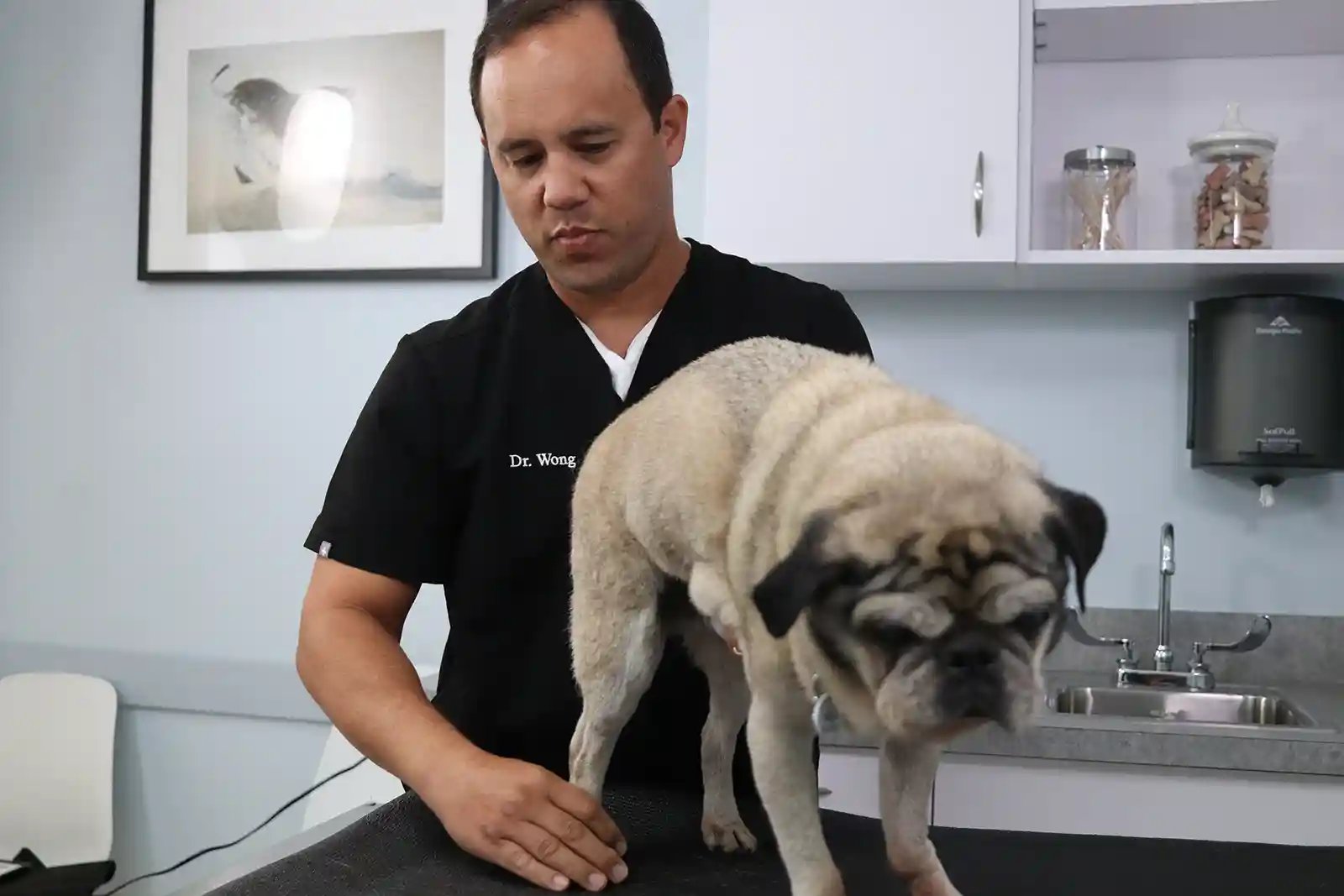
Orthopedic causes such as physical injuries, arthritis, or joint disease often show:
- Pain localized to a specific joint or bone
- Discomfort reproduced with joint manipulation or range-of-motion testing
- Swelling, thickening, or instability of a joint
- A consistent limp that correlates with a particular limb and movement
Neurological causes are more likely when veterinarians find:
- Weakness rather than avoidance of weight due to pain
- Abnormal reflexes on neurological examination
- Changes in muscle tone or muscle atrophy
- Pain elicited on spinal palpation or neck/back movement rather than at a joint
- Loss of paw position awareness or delayed paw correction
- Altered sensation
- Coordination abnormalities
Dogs with neurological lameness will also typically have normal X-rays, providing another clue that the problem lies outside the bones and joints.
How Is Neurological Lameness in Dogs Diagnosed?
Diagnosis begins with a detailed neurological examination, which helps localize the problem within the nervous system. Based on those findings, additional testing may include blood work, advanced imaging such as MRI of the brain or spinal cord, cerebrospinal fluid analysis, or electrodiagnostic testing of nerves and muscles in select cases.
Can Neurological Lameness in Dogs Be Treated?
Many neurological causes of lameness in dogs are treatable. Treatment depends on the underlying cause and may include medications, physical rehabilitation, surgery, and supportive care, including lifestyle adjustments. The earlier the problem is identified, the more options are usually available.
What Should I Do If My Dog Is Lame, and It Doesn't Seem like a Physical Injury?
It’s reasonable to ask your veterinarian if a neurological cause should be considered and whether referral to a neurologist is appropriate if lameness in dogs:
- Does not improve with rest and anti-inflammatory medications
- Worsens over time
- Involves weakness or coordination changes
- Affects more than one limb
- Or simply doesn’t fit a physical injury pattern
Early evaluation can make a meaningful difference in both treatment options and outcome.
Southeast Veterinary Neurology Helps Dogs Walk Again
Lameness in dogs is not always what it seems. While injuries and arthritis are common, neurological disease is an often overlooked cause that deserves consideration.
If your dog’s limp doesn’t quite add up, trust your instincts and ask questions. A prompt and thorough evaluation can make all the difference. Southeast Veterinary Neurology (SEVN) can help your dog walk again with locations in Miami, Boynton Beach, Jupiter, and Virginia Beach. Reach out today!
Frequently Asked Questions about Lameness in Dogs
Why is my dog limping?
Lameness in dogs can be caused by physical injuries, arthritis, or neurological problems affecting nerves, muscles, or the spine.
Can spinal problems cause a dog to limp?
Yes. Spinal cord or nerve root problems can lead to lameness in dogs by weakening limbs, reducing coordination, or altering gait.
Why does my dog limp sometimes but not others?
Intermittent lameness in dogs may be due to fatigue, fluctuating weakness, or subtle neurological issues affecting limb control.
Why is my dog limping but not in pain?
Not all lameness in dogs is painful. Some neurological conditions affect movement or limb control without causing obvious discomfort.
Why is my dog limping but X-rays are normal?
X-rays evaluate bones and joints but do not show the spinal cord or nerves. Normal X-rays with ongoing lameness can point to a neurological cause.
Is sudden limping in dogs serious?
Sometimes. Sudden lameness in dogs, dragging a paw, or weakness can indicate urgent neurological problems.
When should I take my dog to the vet for limping?
Consult your veterinarian if lameness in dogs lasts more than a day or two, worsens, affects multiple limbs, or comes with weakness, knuckling, or dragging.
Why is my dog dragging its back leg?
Dragging a hind leg is a sign of lameness in dogs that can result from spinal, nerve, muscle, or severe joint problems.
Why is my dog walking on its paw?
Walking on the top of the paw, or “knuckling,” is a form of lameness in dogs often caused by nerve or spinal issues rather than pain in the leg.