
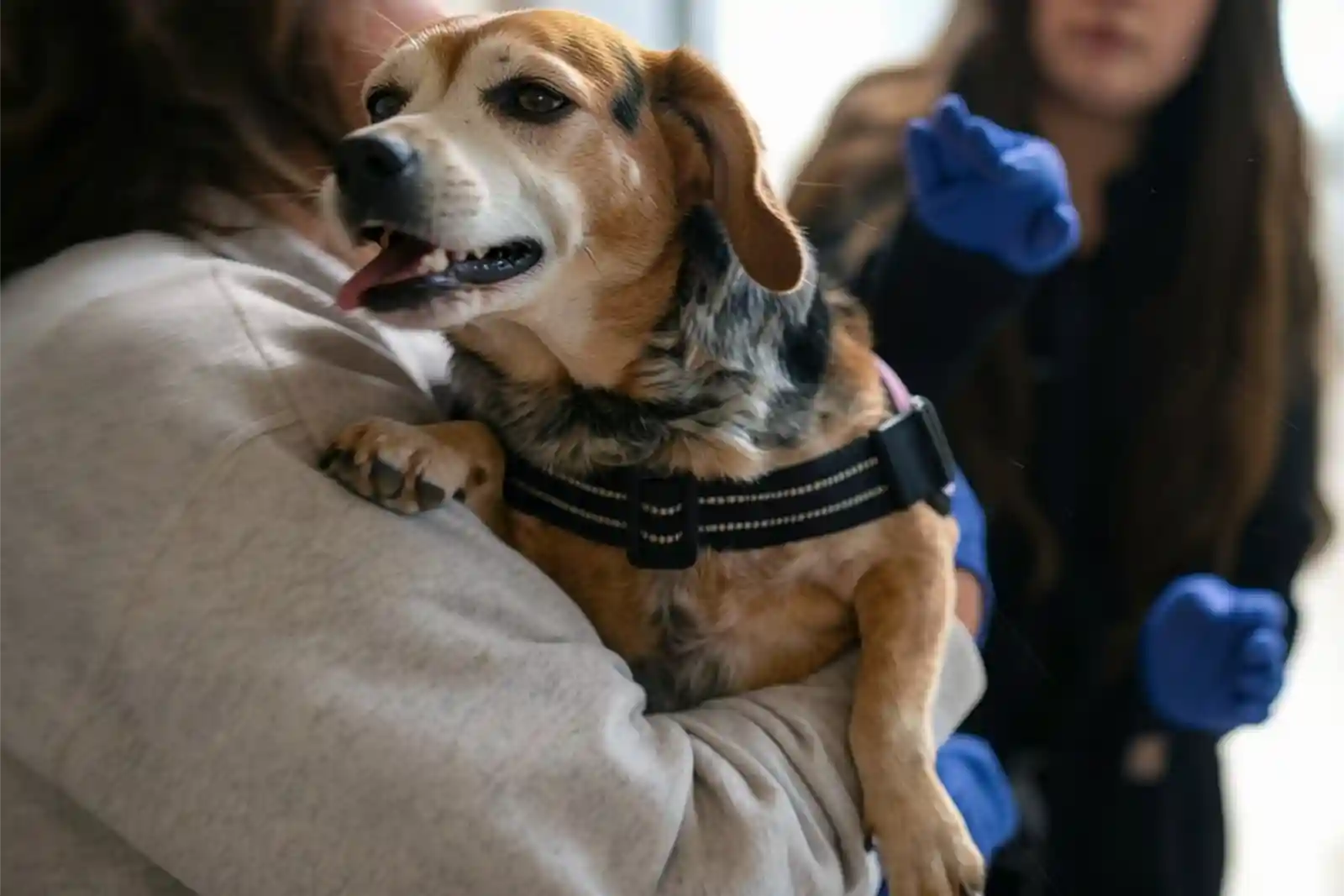
Early Signs of IVDD in Dogs: 9 Warnings Owners Might Miss
MEDICAL REVIEW BY: DR. AMY THIBAULT, DVM, DACVIM (NEUROLOGY) Intervertebral disc disease (IVDD) is one of the most common neurological conditions seen in dogs, especially in...
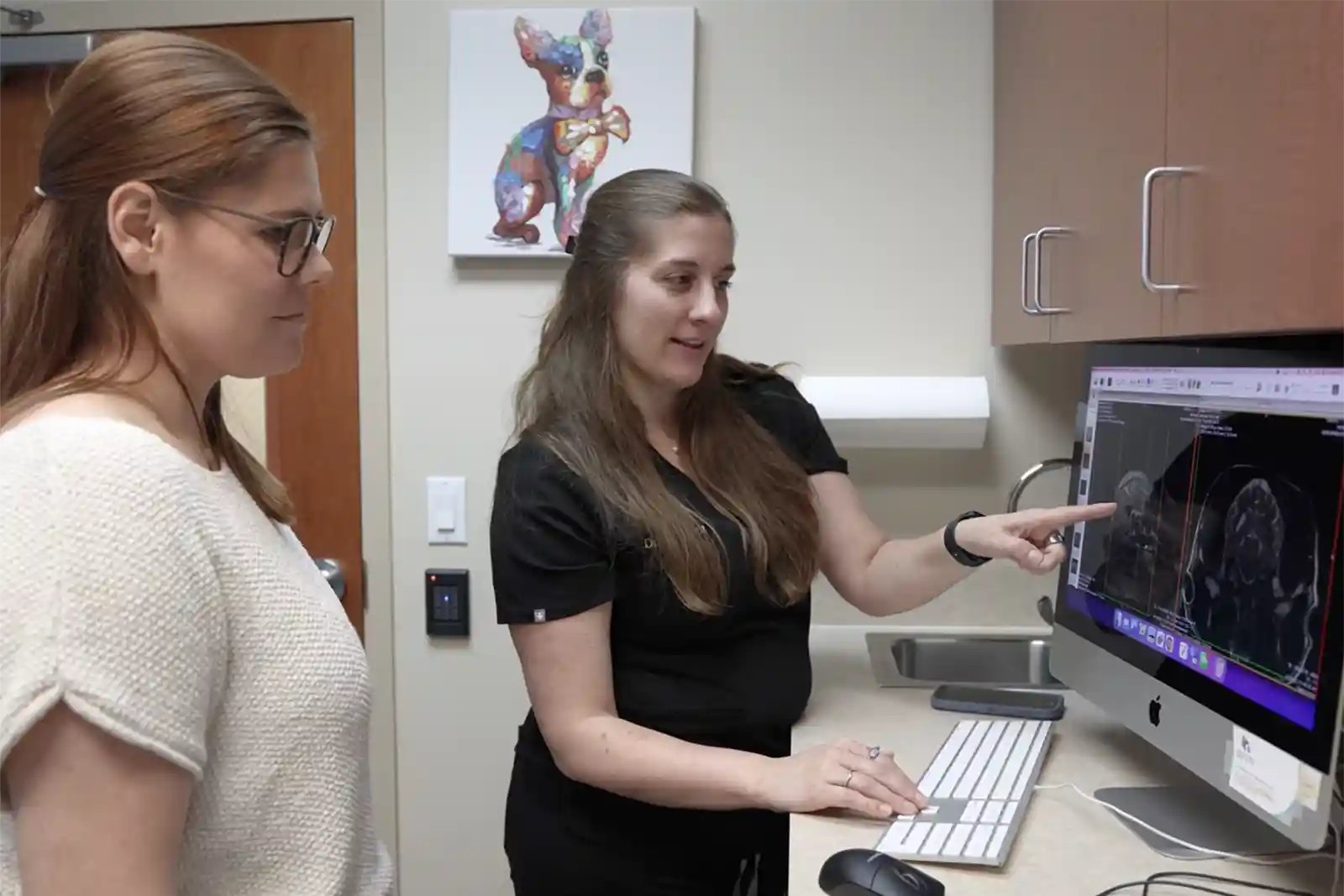
Inside IVDD: 4 Ways a Disc Can Fail
MEDICAL REVIEW BY: DR. MACKENZIE KILBOURN, DVM, DACVIM (NEUROLOGY) Hearing that your dog has IVDD can feel overwhelming - especially when you start searching online and realize...
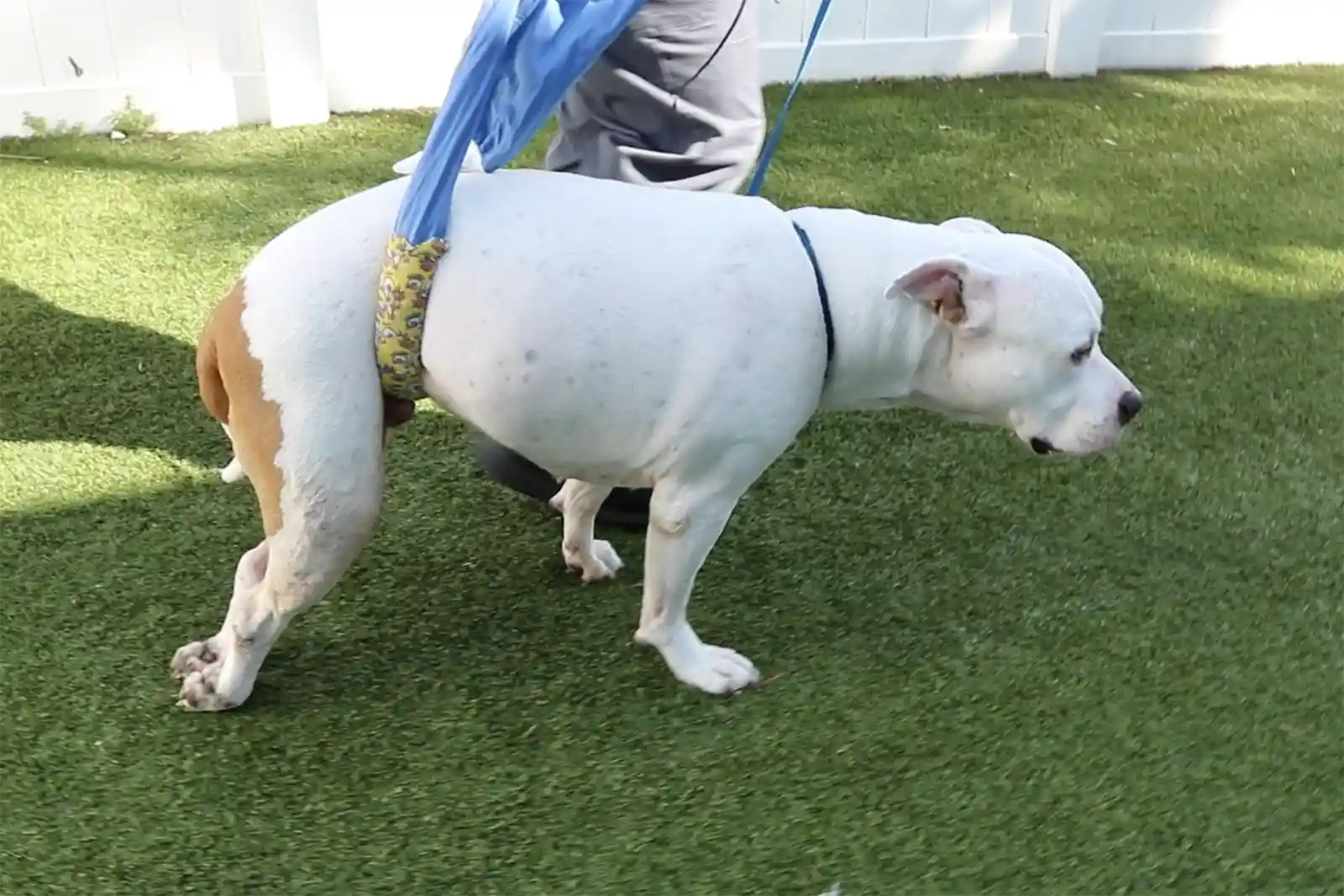
Lameness in Dogs: When It's Not an Injury
MEDICAL REVEW BY: DR. MICHAEL WONG, DVM, DACVIM (NEUROLOGY) When pet parents notice lameness in dogs, the first thought is usually straightforward: Did my dog hurt a leg? A...
Signs of Arthritis in Dogs: Is It Something More Serious?
MEDICAL REVIEW BY: DR. MICHAEL WONG, DVM, DACVIM (NEUROLOGY) Watching your older dog slow down, struggle to rise, or avoid play can be heartbreaking. You might wonder: Are these...
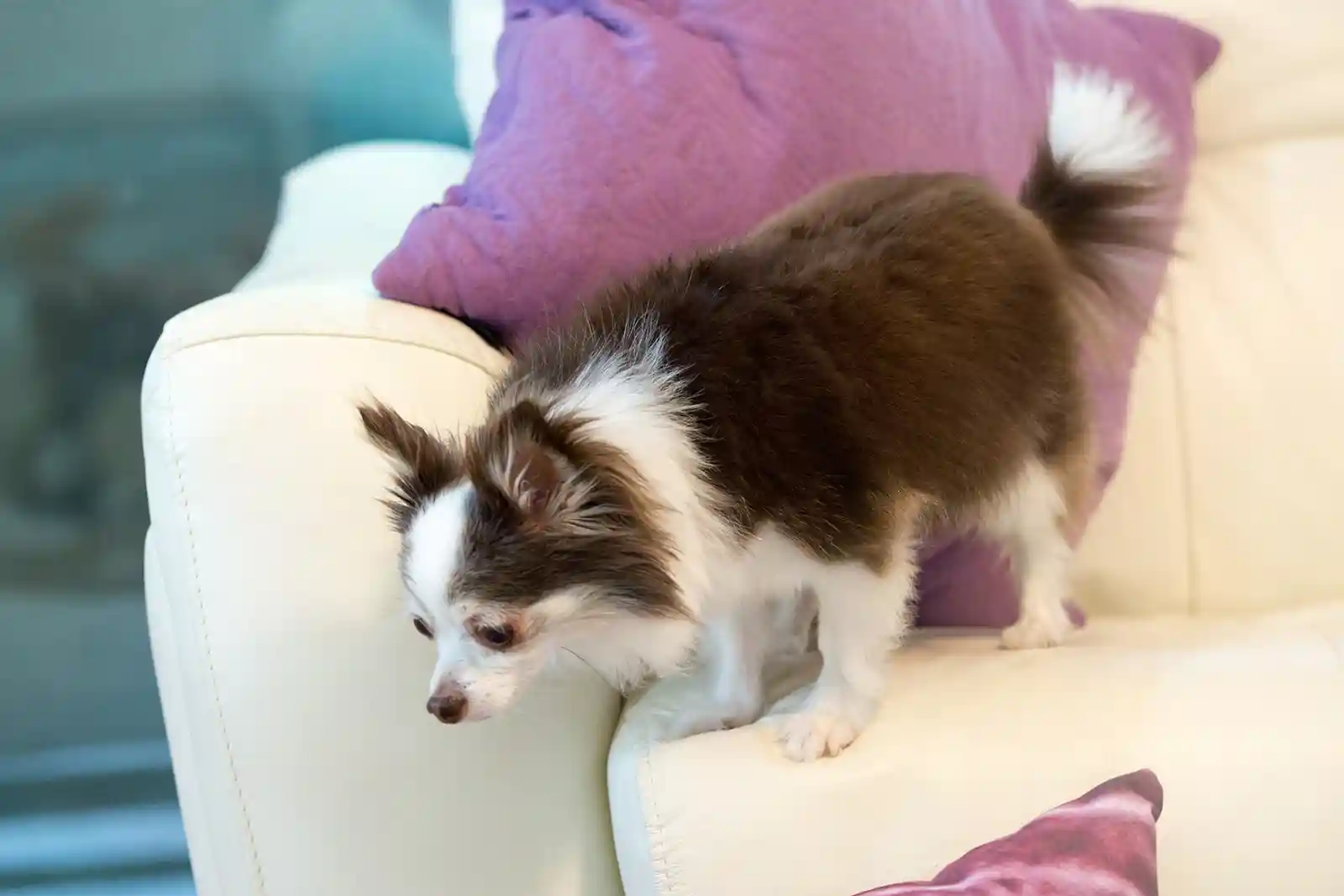
My Dog Can't Jump on the Bed Suddenly: Why?
If from one day to the next, your dog suddenly can’t jump on the bed, you may have some cause for concern. A sudden reluctance to jump up is usually caused by some sort of pain,...
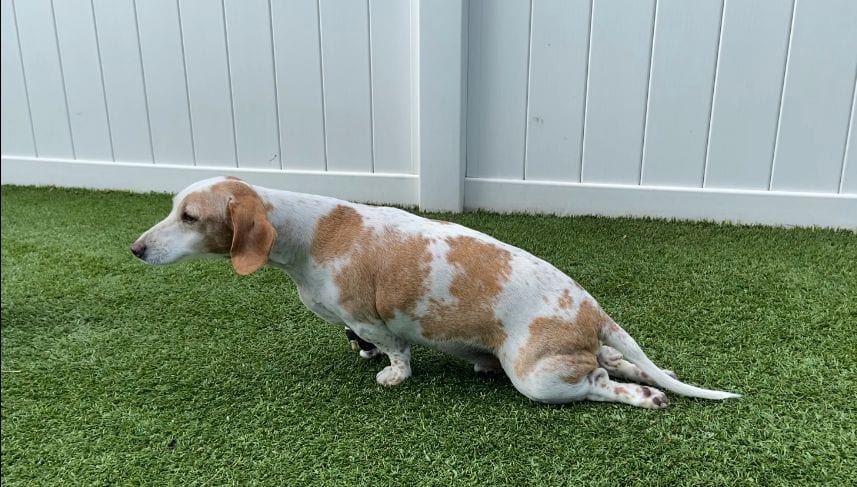
Everything You Need to Know about IVDD in Dogs
It’s ruff to watch someone we love suffer – especially when that someone can’t tell us what’s wrong. So it’s our job as pet parents to look for clues. Is your dog holding its head...

Nonsurgical IVDD Treatment in Dogs: Is Your Dog a Candidate?
Decisions about IVDD treatment in dogs are made based on the severity and the duration of clinical signs. In some cases, IVDD can be managed nonsurgically. However, without timely...
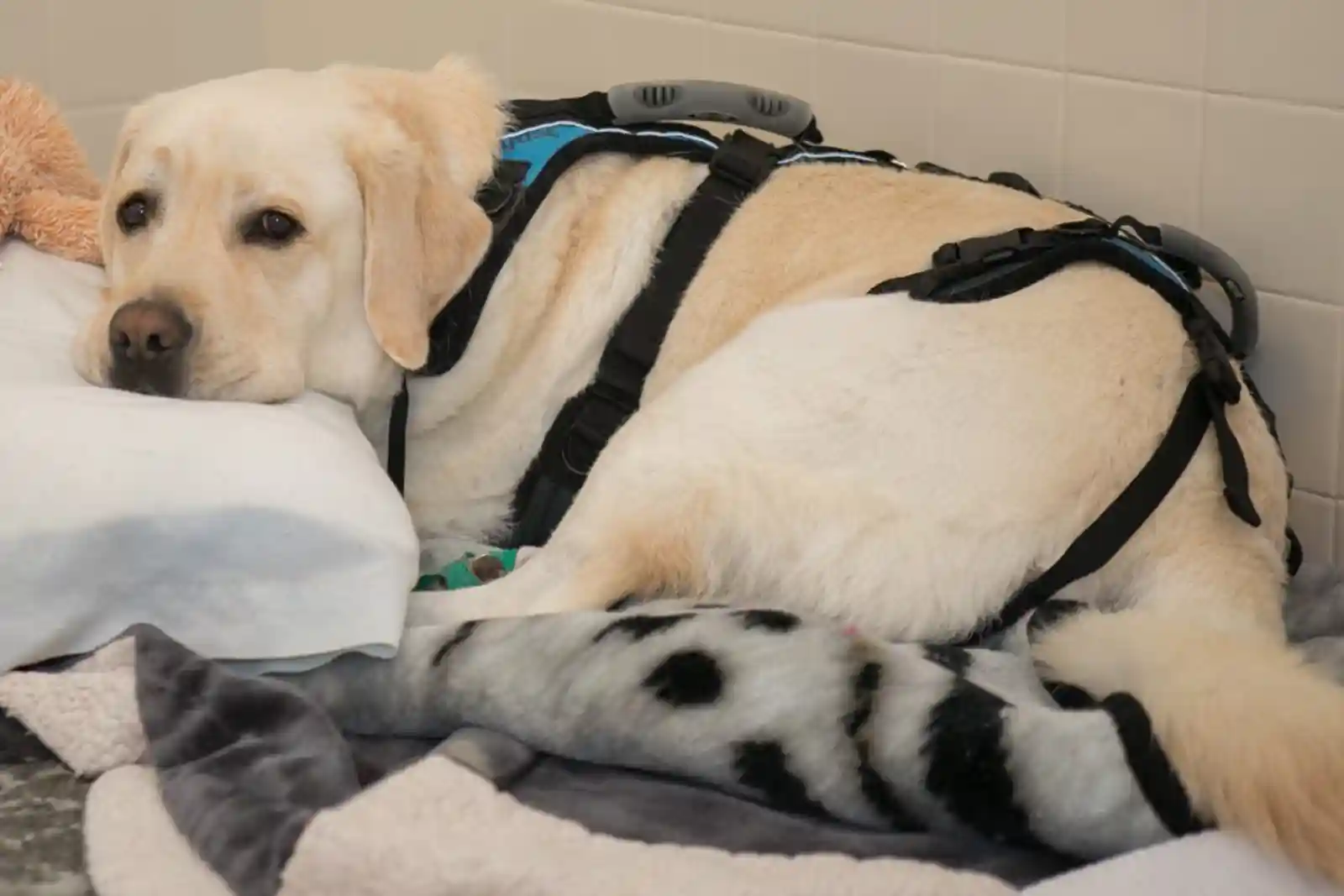
ANNPE: What It Is and How to Care for Your Dog
ANNPE stands for acute non-compressive nucleus pulposus extrusion (say that five times fast!) and is a form of intervertebral disc disease in dogs. ANNPE is a neurological...

Dog Herniated Disc: Signs and What to Do
A herniated disc is actually the number one spinal cord problem seen in dogs. The good news is that the chances of your dog making a full recovery can be as high as 95%. However,...
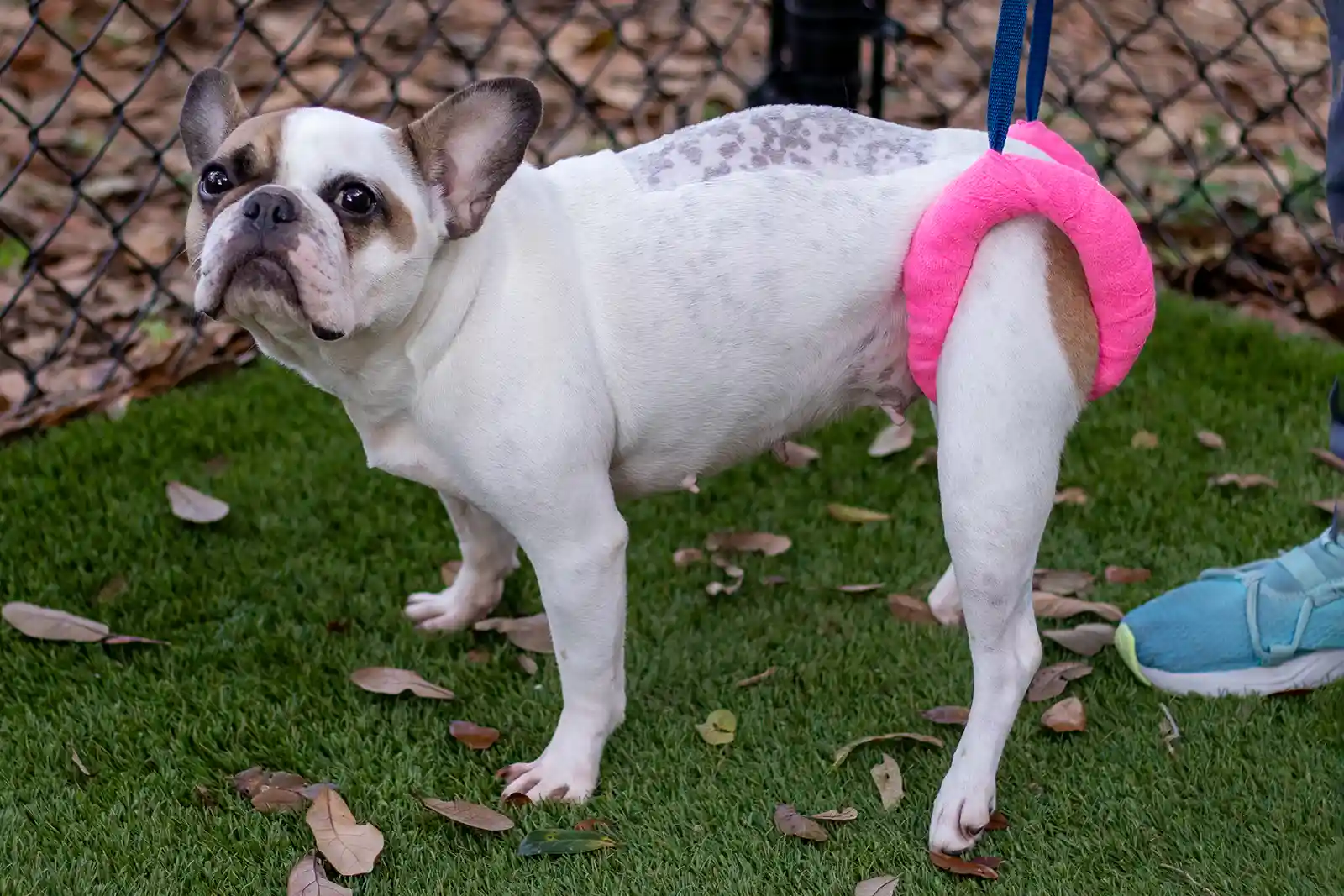
Myelomalacia in Dogs
When a severe spinal cord injury renders a dog unable to move its legs or feel its toes, about 10-15% of dogs will go on to develop a devastating condition called myelomalacia,...