
MEDICAL REVIEW BY: DR. NICHOLAS DE POMPA, DVM, DACVIM (NEUROLOGY)
For most dogs with epilepsy, dog seizure medication is a mainstay of treatment. But epilepsy can be a progressive disease, with some cases becoming more difficult to control over time. This can leave pet parents wondering: Is there anything else that can help?
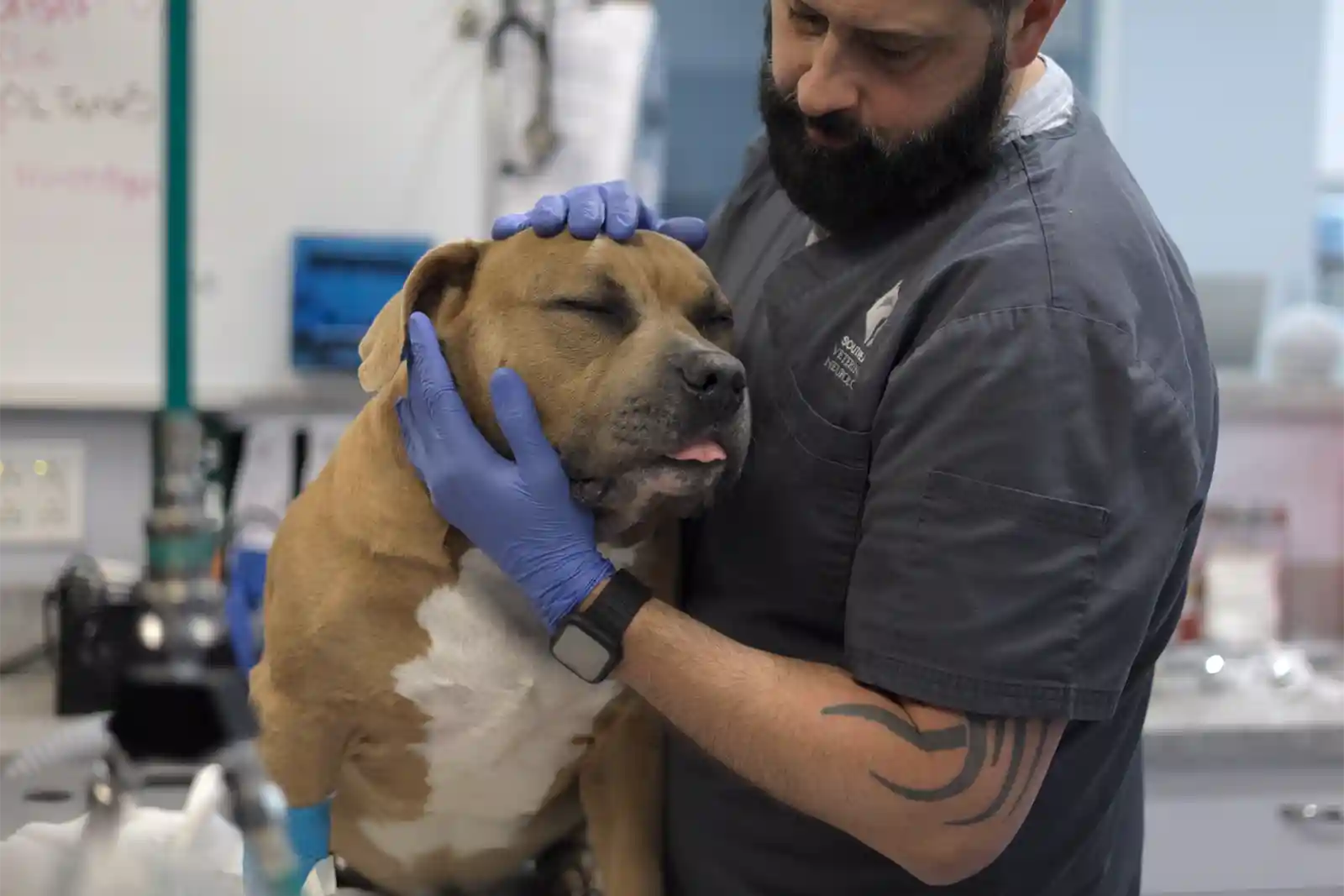
When Dog Seizure Medication Isn't Enough
The goal of epilepsy treatment in dogs is to reduce seizures as much as possible while preserving quality of life. But managing seizures can be a balancing act. As epilepsy progresses over the course of a dog’s life, additional medications may need to be added.
While many dogs respond well to medications, others continue to have seizures. In fact, about one in three epileptic dogs may not respond adequately to medication, and some dogs develop side effects that make it difficult to increase treatment.
When dog seizure medication isn't providing the control we need, alternative treatments become particularly interesting, and vagus nerve stimulation provides a promising new approach for dogs.
What Is Vagus Nerve Stimulation in Dogs?
Vagus nerve stimulation (VNS) has been used in human epilepsy for decades, providing the foundation for its use in veterinary medicine. VNS uses mild electrical stimulation to activate the vagus nerve that travels from the brainstem through the neck and into the body. The stimulation appears to influence neural pathways involved in seizure activity.
Specifically designed for dogs, the Milo VNS System uses a small implanted device that delivers ongoing stimulation intended to reduce seizure frequency and severity. Its effects are gradual and cumulative, making it a long-term treatment rather than a quick fix.
How Does the Milo VNS System Work?
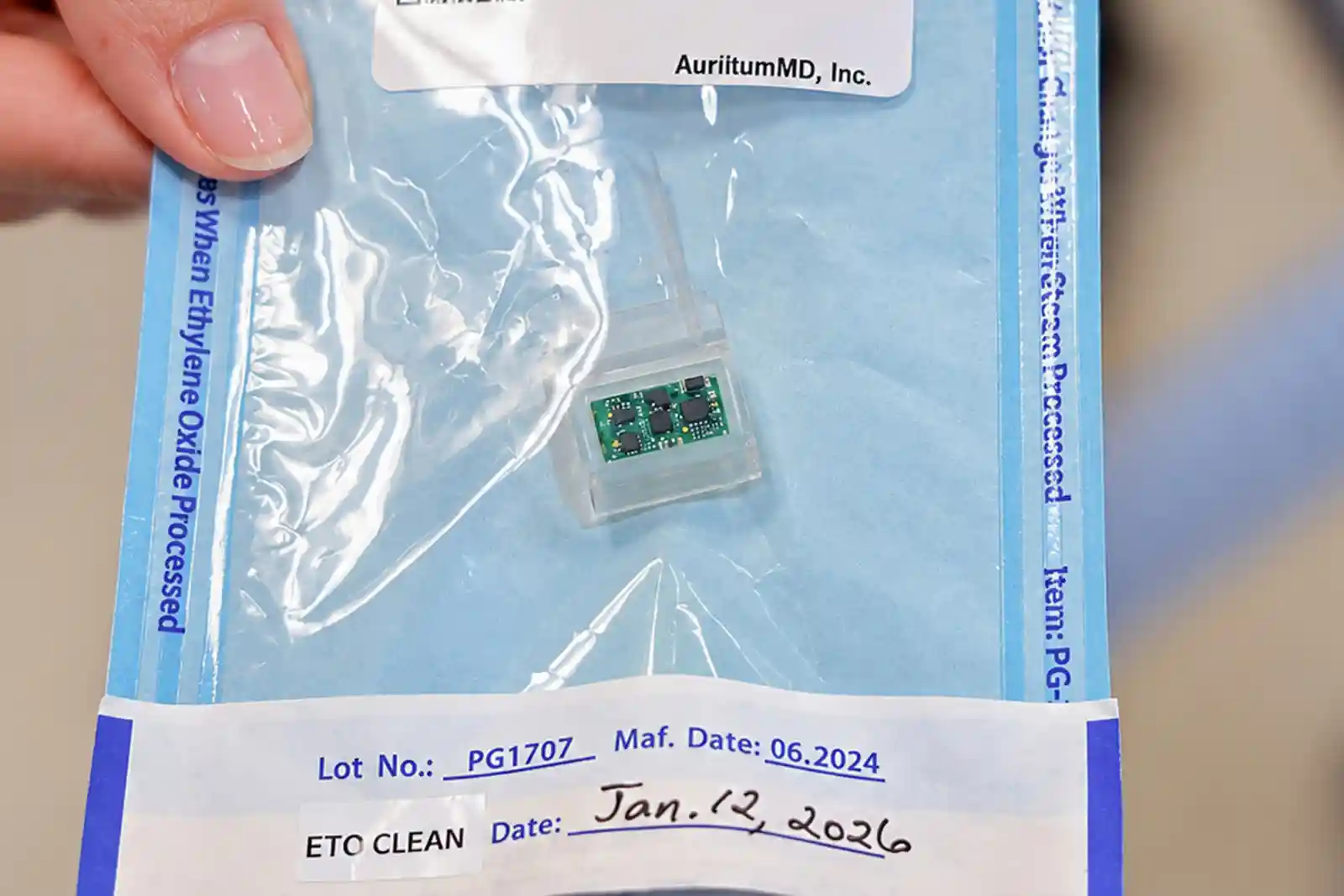
The Milo VNS system has four components: an implanted device, a smart collar, an app for pet parents, and a clinician portal.
The Implant
A small implant is surgically placed around the vagus nerve in the neck. It delivers the stimulation used for VNS therapy. Unlike older systems that relied on a surgically implanted battery, the Milo implant is wirelessly powered through an external smart collar.
The Smart Collar
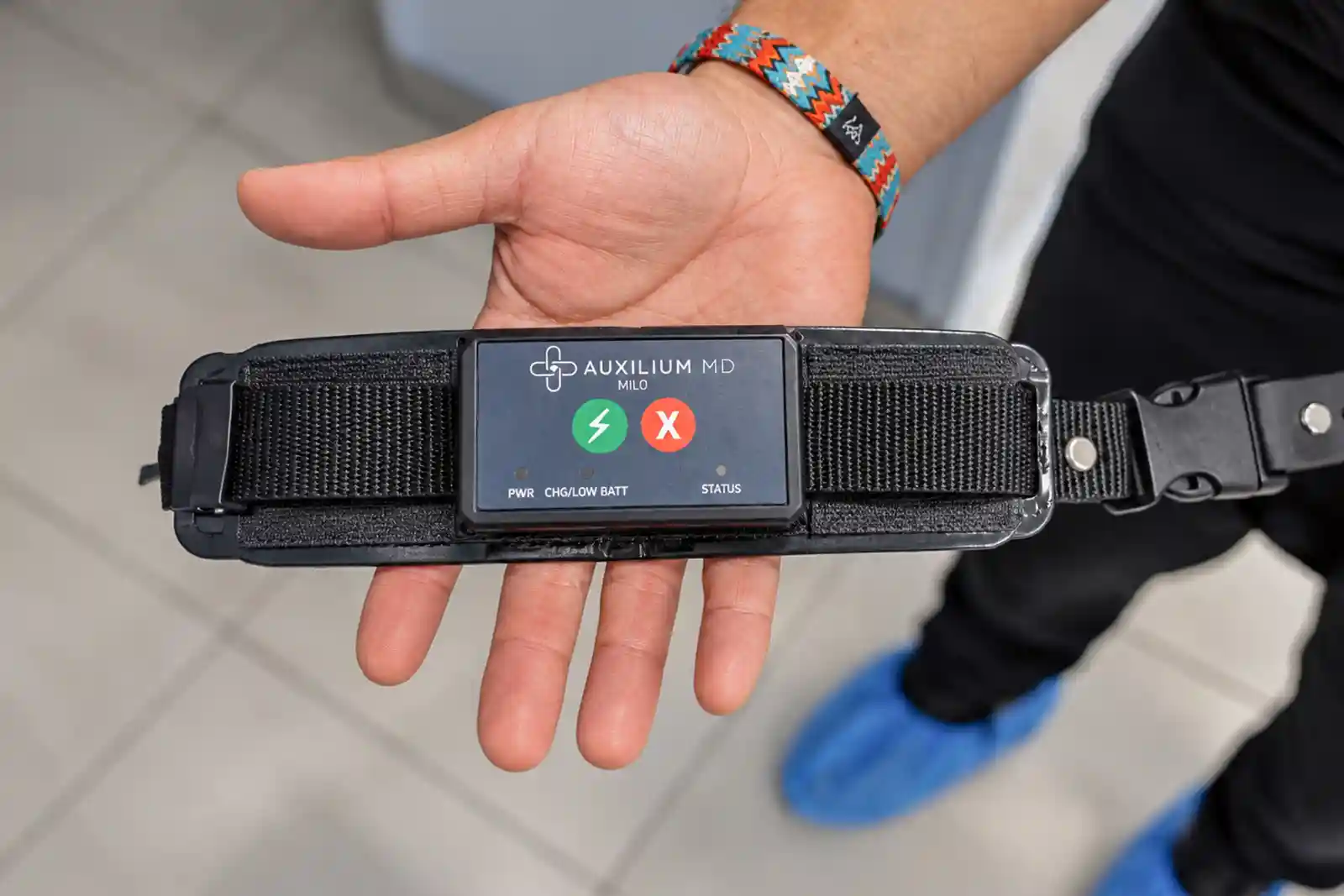
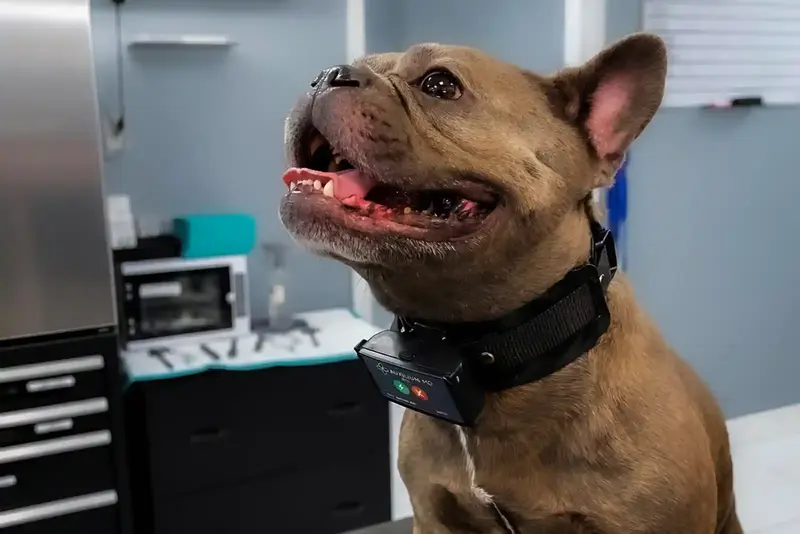
The smart collar resembles a typical collar but has a wider section at the front with an electronic module. It wirelessly powers and communicates with the implanted device, providing therapy for 24 hours on a charge. It is USB rechargeable and adjustable for neck sizes from 12 to 28 inches.
The Milo App
Pet parents can use the free app to monitor the system and record seizures. Keeping track of seizures remains an important part of epilepsy management because it helps the neurology team determine how the patient is responding to treatment.
The Clinician Portal
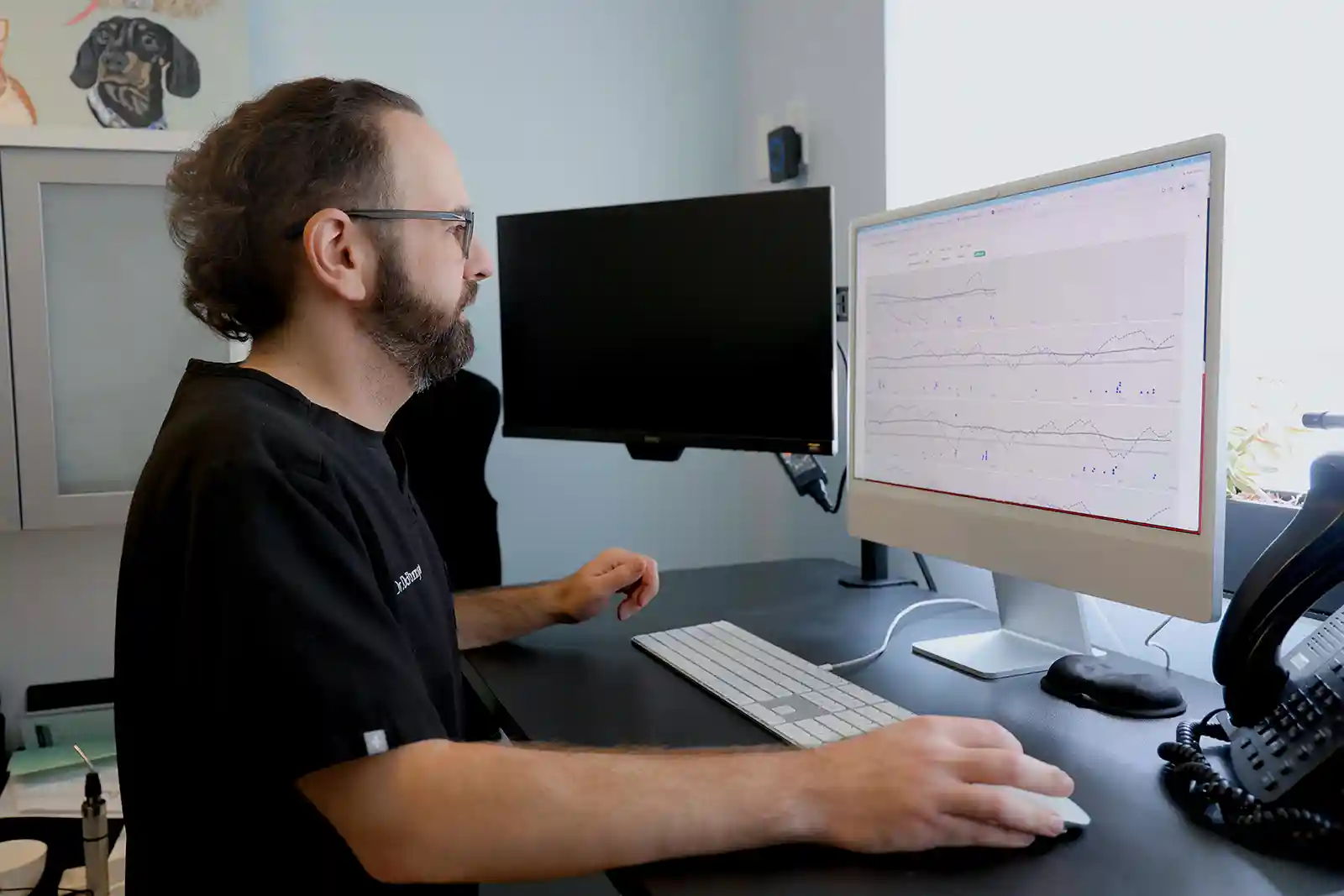
One of the most useful features of this system is that VNS settings can be adjusted remotely through the clinician portal. Changes are communicated wirelessly through the smart collar without an in-person appointment. For families who do not live near a veterinary neurology center, this can make treatment much more manageable.
Which Dogs Are Candidates for Vagus Nerve Stimulation?
Vagus nerve stimulation can be used alongside dog seizure medication or as standalone therapy, although it may not be appropriate for every patient. A veterinary neurologist will consider the dog's seizure history, diagnostic testing, current medications, overall health, and treatment goals.
A potential candidate for VNS in dogs may:
- Have idiopathic epilepsy
- Have seizures despite two or more medications
- Have medication side effects affecting quality of life
- Have a pet parent interested in minimizing medications
- Be otherwise reasonably healthy
- Be a candidate for general anesthesia and surgery
- Have a neck circumference of at least 12 inches
How Is VNS Implanted in Dogs?
VNS implantation is an outpatient procedure performed under general anesthesia, and it takes around 30 minutes. A small incision is made in the neck, and the implant is positioned next to the vagus nerve. After recovering from anesthesia, the patient can go home the same day. The smart collar is generally fitted approximately two weeks after surgery, once the incision has healed.
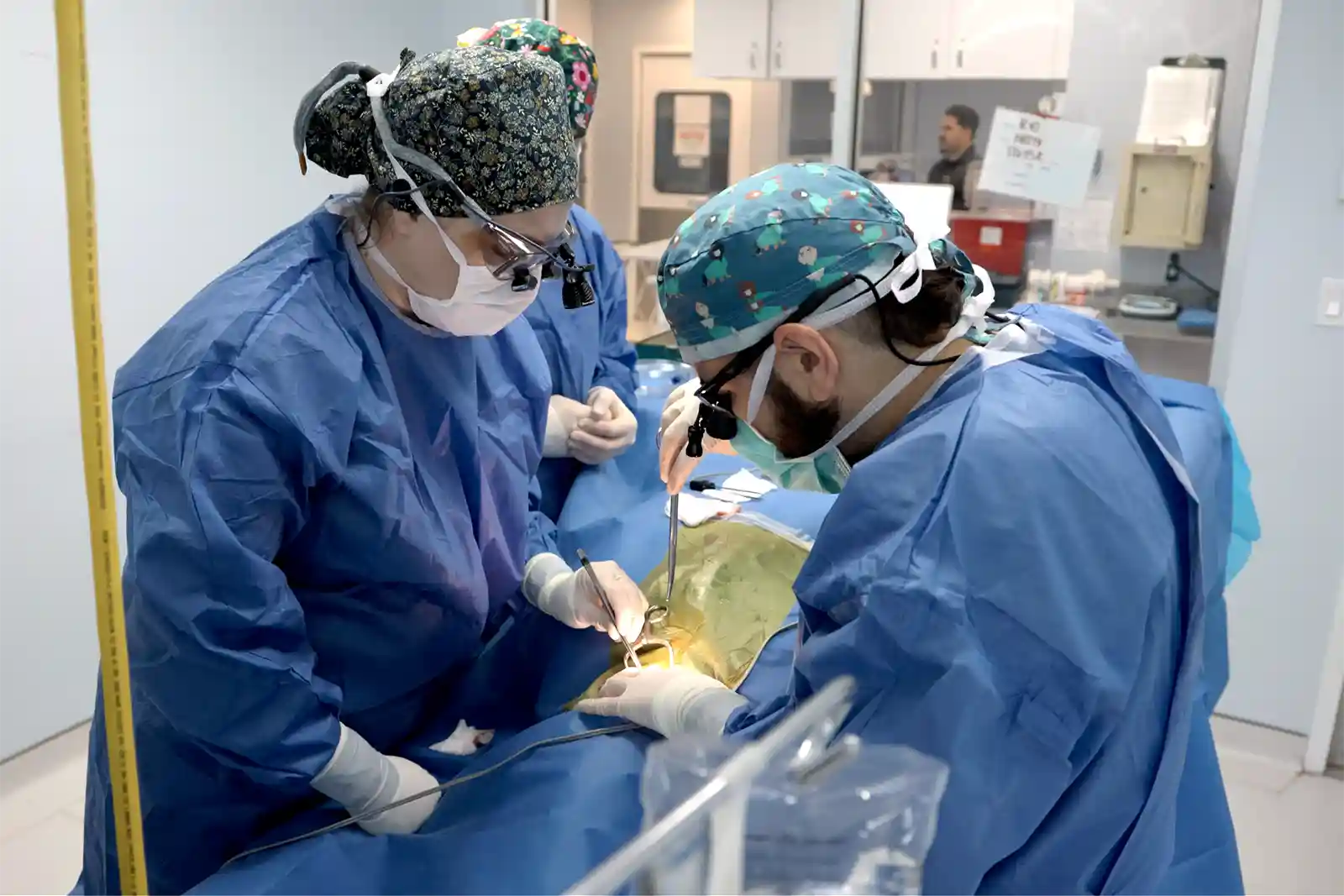
For families traveling from a significant distance, the collar can be fitted on the day of surgery, so that they do not have to make another long trip two weeks later. However, they will be instructed not to put the collar into use until directed, ensuring enough time for the incision to heal.
What Happens after VNS Implantation?
Vagus nerve stimulation therapy is not started at full strength. The neurology team will gradually increase the stimulation as the dog acclimates. Once the target stimulation level is reached, the daily treatment time will increase every three months. All of these adjustments can be made remotely so that families don’t need to return to the hospital for every change.
Pet parents will need to document any seizures in the Milo app and keep the smart collar charged. The system includes two collars, allowing one to charge while the other is being worn. The active collar must be swapped with the charged collar once a day.
Once the incision has healed, there are no major ongoing activity restrictions associated with the VNS device, and dogs may return to their normal routines. The only consideration is the smart collar itself - while it is water resistant, it must be removed before activities in which it would become submerged.
How Effective is Vagus Nerve Stimulation in Dogs?
Canine evidence is still developing, but early data suggests that vagus nerve stimulation has the potential to reduce seizure frequency by more than 50% in some dogs. It’s important to keep in mind that VNS is a long-term treatment strategy, and meaningful improvement could take time.
Potential benefits of vagus nerve stimulation in dogs include:
- Fewer seizures
- Less severe seizures
- Longer periods between seizures
- Shorter recovery period
- Reduced dog seizure medication
- Improved quality of life
The smart collar also features a green emergency button (marked with a lightning bolt) that can deliver a higher level of stimulation during a seizure to help stop the episode and reduce the recovery period. However, this does not replace the gradual maintenance therapy, which is optimized over time to achieve its full benefit.
How Is VNS Different from Dog Seizure Medication?
The biggest difference is how the treatment works. Dog seizure medication works through pharmacological effects in the body and brain. VNS is a drug-free treatment that uses stimulation of the vagus nerve.
Because vagus nerve stimulation is not a medication, it does not have any drug interactions or side effects, such as liver toxicity, sedation, and behavior changes, that are common with certain long-term medications.
What Kind of Follow-Up Is Required with Vagus Nerve Stimulation in Dogs?
Although VNS adjustments can be made remotely, this does not mean that epilepsy treatment becomes "set it and forget it." Dogs will still need regular seizure rechecks with the veterinarian managing their epilepsy. Seizure frequency and severity, medication effects, bloodwork when indicated, and overall quality of life still need to be monitored.
But vagus nerve stimulation does not require you to change your current veterinarian. Since the neurologist performing the VNS implantation can manage the device remotely, your primary veterinarian or local neurologist may continue to manage your dog’s seizure medication and overall care.
Where Is Vagus Nerve Stimulation Available for Dogs?
VNS is still a relatively new treatment in dogs. It requires specialized equipment, surgical implantation, and veterinary neurology teams that have been specially trained to use the system. Only a limited number of veterinary neurology centers in the United States currently offer this technology, making access much more limited than conventional dog seizure medication.
Southeast Veterinary Neurology (SEVN) is now the third veterinary hospital in the United States to adopt the Milo VNS System for dogs. If your dog’s seizures remain difficult to control despite medication, our veterinary neurologists and specialized care teams can help you determine whether vagus nerve stimulation is an option.
With locations in Miami, Boynton Beach, and Jupiter, Florida, and Virginia Beach, Virginia, SEVN is here to help you navigate your dog’s epilepsy journey with expert guidance and compassionate care.
Frequently Asked Questions about Dog Seizure Medication and Vagus Nerve Stimulation
What is the best medication for dog seizures?
There is no single best dog seizure medication. Treatment depends on the individual dog and how well seizures respond. When medication is not enough, additional options such as vagus nerve stimulation may be considered.
How long can a dog live on seizure medication?
Many dogs can live for years on dog seizure medication with appropriate monitoring. Some may eventually need additional treatment as epilepsy progresses. For some dogs vagus nerve stimulation may provide the answer.
What will stop a dog's seizures?
Dog seizure medication is the mainstay of long-term treatment, but some dogs continue to have seizures despite medication. Vagus nerve stimulation may provide another treatment option for dogs with drug-resistant epilepsy.
How can I treat my dog's seizures at home?
Long-term seizure control requires veterinary guidance and may include dog seizure medication or, when appropriate, vagus nerve stimulation. During a seizure, keep your dog away from hazards and do not touch.
What can I give my dog to stop seizures naturally?
There is no proven natural treatment that reliably stops seizures in dogs. However, vagus nerve stimulation offers a non-drug treatment option that may help reduce seizure frequency and severity in select dogs.
Can stimulating the vagus nerve help with seizures in dogs?
Yes. Vagus nerve stimulation can reduce seizure frequency and severity in dogs. The vagus nerve is a major nerve that travels from the brainstem through the neck and into the body, and stimulation appears to influence neural pathways involved in seizure activity.
Does VNS replace dog seizure medication?
Possibly, but not necessarily. Whether medications can eventually be changed or reduced depends on the individual dog's response and should be determined by the veterinary neurologist managing the epilepsy.
Can VNS stop an active dog seizure?
The Milo system has an emergency button that can deliver a higher level of stimulation during a seizure and may help shorten the seizure and the recovery period. However, this does not replace the gradual maintenance therapy, which is optimized over time to achieve its full benefit.
How long does VNS take to work in dogs?
The effects are gradual and cumulative. Therapy is progressively adjusted over time, and some dogs may require 6-9 months before meaningful improvement becomes apparent, with benefits continuing to develop over time.
Can a dog take seizure medication and have VNS?
Yes. VNS can be used alongside dog seizure medication as part of a comprehensive treatment plan. Medication should only be changed under the direction of the veterinarian managing the dog's epilepsy.
What happens if dog seizure medication does not work for my dog?
If seizures continue despite dog seizure medication, your veterinarian can reassess the diagnosis and treatment plan. For dogs with drug-resistant epilepsy, vagus nerve stimulation is another treatment that may be considered.
Can a dog live a normal life with seizures?
Many dogs have a good quality of life when managed with dog seizure medication, although uncontrolled or severe seizures can affect long-term health and quality of life. However, vagus nerve stimulation provides a promising new treatment option.
Is vagus nerve stimulation safe for dogs?
VNS is generally well tolerated in dogs, but it does involve a surgical procedure and ongoing stimulation. Surgical-site complications and stimulation-related effects such as coughing, often managed by adjusting settings, are possible.