
When a dog suddenly becomes weak, wobbly, or unable to walk, many pet parents worry about a spinal problem. While that concern is certainly valid, there is another potential cause that is easily overlooked: tick paralysis in dogs.
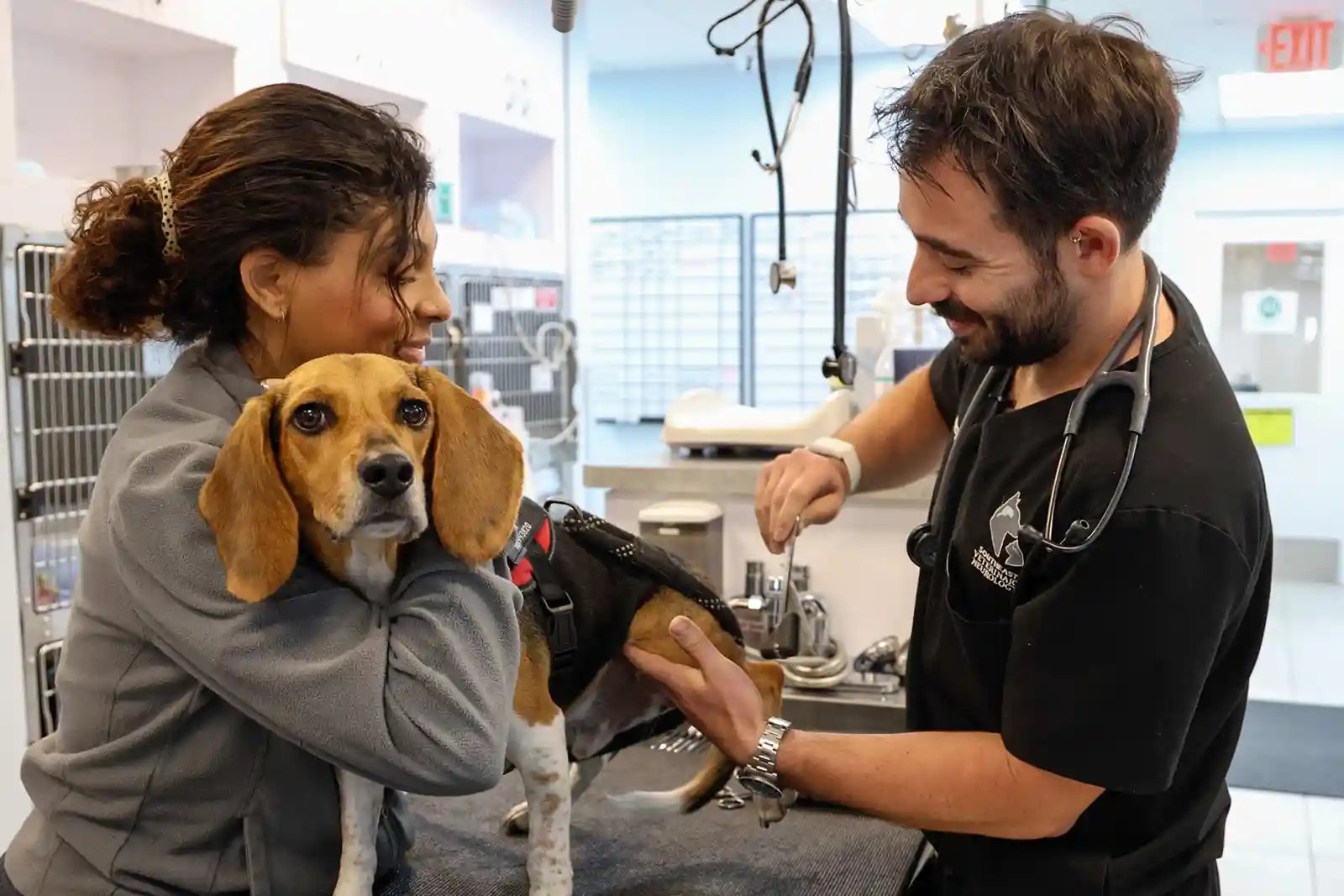
Although relatively uncommon, tick paralysis is one of the few causes of paralysis in dogs that can be reversed with prompt diagnosis and treatment. The challenge is that many pet parents have never even heard of it, and its symptoms can closely resemble other neurological problems. So let’s take a closer look.
What Is Tick Paralysis in Dogs?
Tick paralysis in dogs is caused by toxins produced in the saliva of certain female ticks while they are feeding. As the tick remains attached and feeds, these toxins enter the dog’s bloodstream and interfere with normal communication between the nerves and muscles.
The result is progressive weakness that can eventually lead to paralysis. If left untreated, the muscles involved in swallowing and breathing can become affected, turning the condition into a life-threatening emergency. The good news is that tick paralysis is usually reversible once the tick is removed.
Which Dogs Are at Risk for Tick Paralysis?
Any dog can develop tick paralysis, regardless of breed, age, or size. However, dogs that spend significant time outdoors face the greatest risk.
Risk factors for tick paralysis in dogs include:
- Inconsistent use of tick prevention products
- Walking through tall grass or brush
- Rural or suburban environments with wildlife exposure
- Hiking, camping, or hunting activities in wooded areas
Dogs with long or thick coats may also be at increased risk because attached ticks can be more difficult to find.
Where Does Tick Paralysis in Dogs Occur?
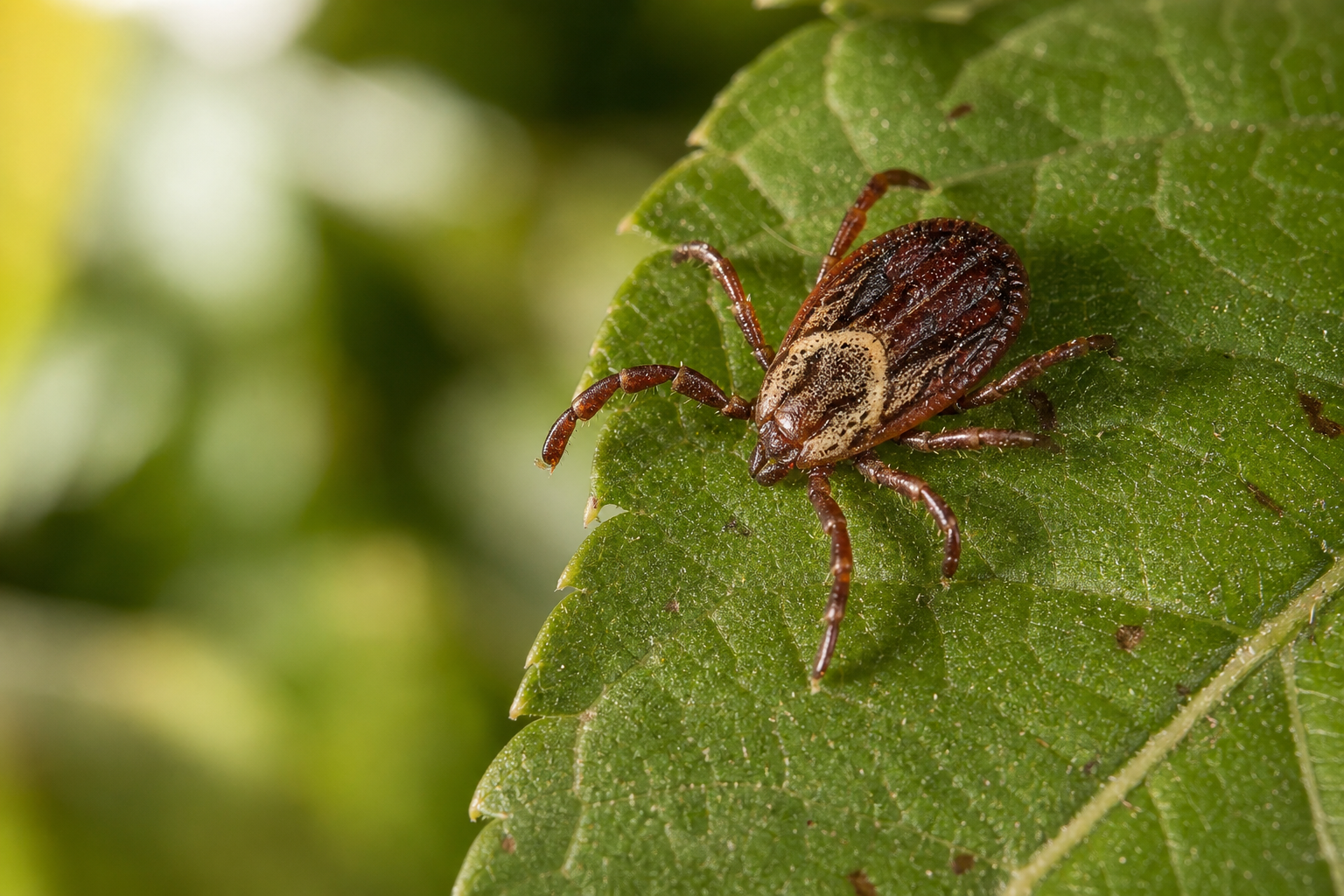
Tick paralysis in dogs is reported throughout many parts of the United States, although the risk varies by region depending on the tick species present. In the US, cases are most commonly associated with the American dog tick (Dermacentor variabilis), which is found across much of the eastern, central, and Pacific regions of the country.
The risk is also closely tied to tick activity. In much of the country, ticks are most active during the warmer months of spring and summer. However, mild winters can allow ticks to remain active well beyond what many people consider "tick season."
Tick Paralysis in Florida
Florida’s warm climate allows ticks to remain active for much of the year, making tick exposure a year-round concern. While tick activity often peaks during spring and summer, Florida pet parents should not assume their dogs are safe during cooler months. Ticks can remain active during much of Florida's winters.
For Florida dogs that spend time outdoors, regular tick prevention and routine tick checks should be part of year-round care.
What Are Signs of Tick Paralysis in Dogs?
The symptoms of tick paralysis typically develop gradually over several days as the tick continues feeding.
Early signs of tick paralysis in dogs may include:
- Weakness or wobbliness in the hind limbs
- Difficulty jumping up or climbing stairs
- Fatigue or reluctance to exercise
- Loss of appetite
- Reduced blinking in one or both eyes
As the condition progresses, dogs may develop:
- Weakness in all four limbs progressing to recumbency
- Changes in their bark or voice
- Trouble getting food into the mouth
- Difficulty swallowing
- Coughing
- Labored breathing
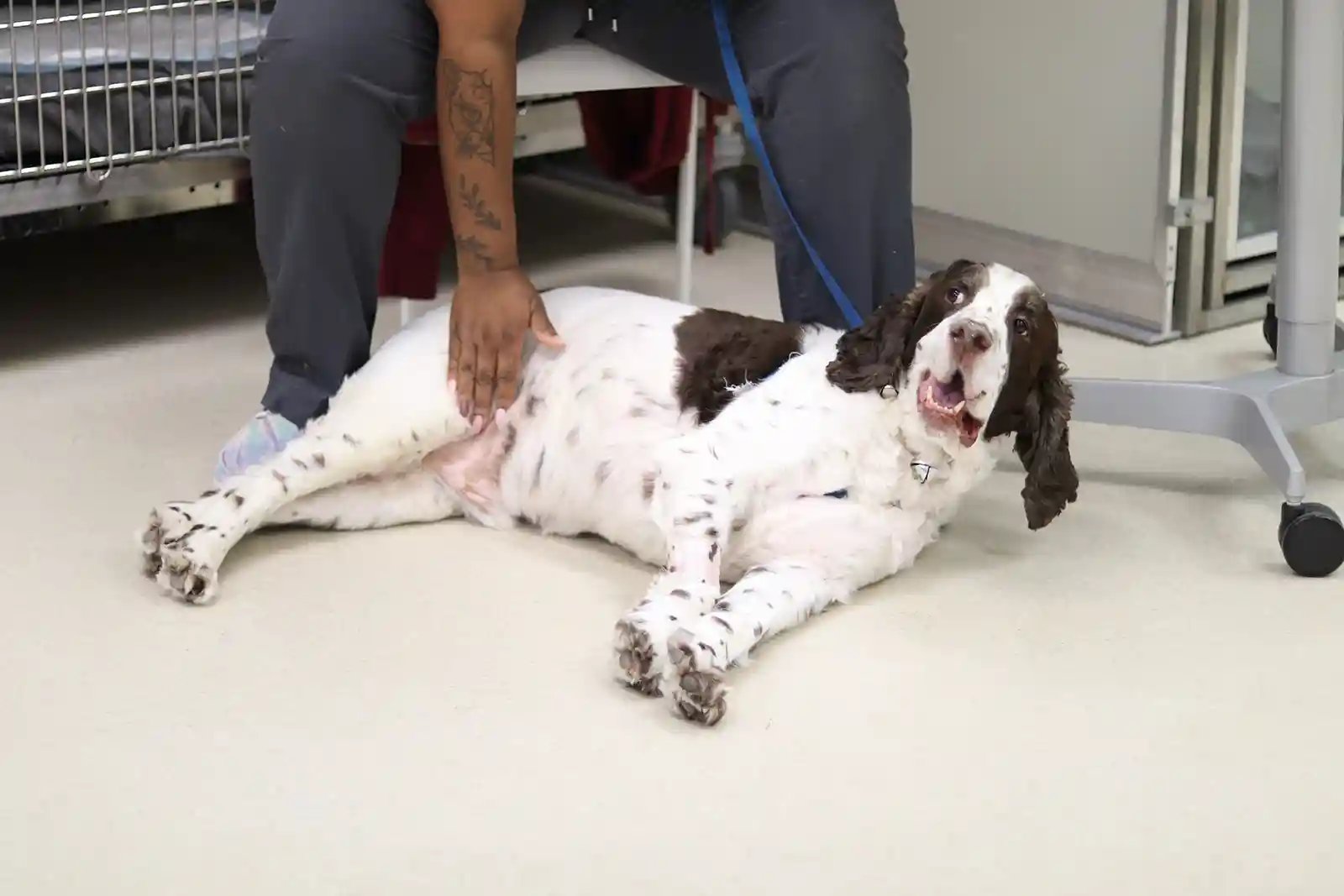
Despite becoming progressively weaker, dogs with tick paralysis are usually mentally alert, remaining bright and aware. However, without treatment, the condition can progress to complete paralysis, resulting in respiratory failure and becoming fatal.
Tick Paralysis vs. Neurological Disease
Tick paralysis may be difficult to recognize in dogs because it can look very similar to other neurological conditions.
Some other conditions that can present with sudden and progressive weakness are:
- Intervertebral disc disease (IVDD)
- Acute polyradiculoneuritis (coonhound paralysis)
- Myasthenia gravis
Since these conditions can appear similar in the early stages, diagnosis relies heavily on pattern of disease progression, neurological examination, and response to treatment. Evaluation by a veterinary neurologist is particularly important because these conditions require different diagnostic approaches and treatment plans.
What Should You Do if You Suspect Tick Paralysis in Dogs?
If your dog develops sudden weakness after spending time outdoors, one of the first things veterinarians may recommend is a thorough tick search.
How to Check Your Dog for Ticks
Ticks commonly hide in areas that are easy to miss including:
- Around and inside the ears
- Under collars and harnesses
- Between the toes
- Under the tail
- In the armpits and groin
- Beneath thick or matted fur
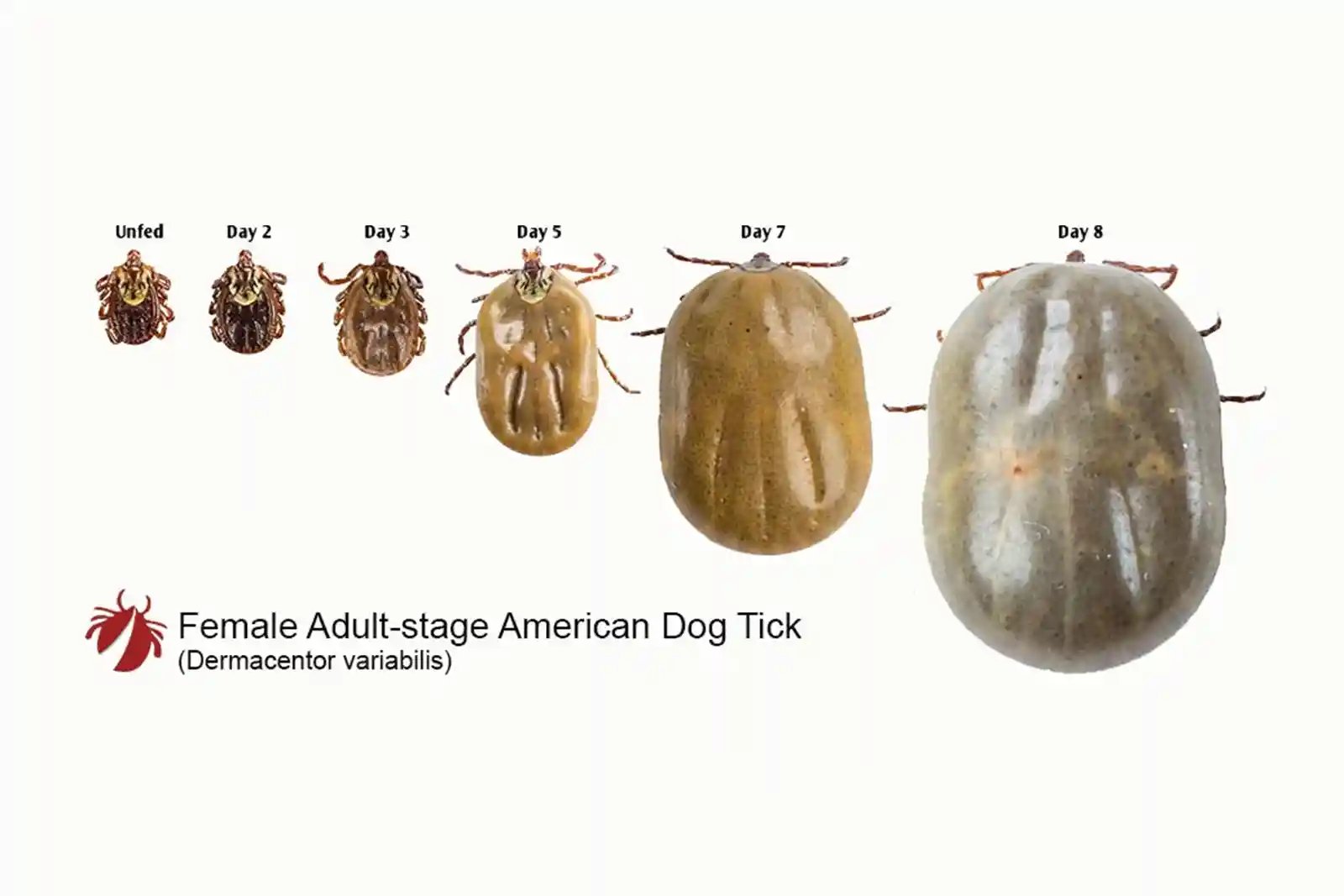
Use your fingertips to slowly feel through the coat, searching for small bumps. A tick may feel like a small skin tag or raised lump. Finding even a single attached tick can be extremely important, as only one toxin-producing tick may be enough to cause symptoms of tick paralysis in dogs.
Seek Veterinary evaluation
Do not assume that removing a tick at home eliminates the need for medical care, particularly if symptoms are already present. If your dog has developed weakness, difficulty walking, or paralysis, veterinary evaluation should be sought immediately. The earlier treatment begins, the better the chances of avoiding severe complications.
How Is Tick Paralysis in Dogs Diagnosed?
There is no specific blood test that confirms tick paralysis in dogs.
Diagnosis is usually based on several factors, including:
- Medical history
- Neurological examination
- Identification of an attached tick
- Exclusion of other neurological diseases
- Improvement after tick removal and treatment
A veterinary neurologist may recommend additional diagnostics such as bloodwork, advanced imaging, cerebrospinal fluid analysis, or other tests if alternative causes of weakness need to be ruled out.
How Is Tick Paralysis in Dogs Treated?
Treatment of tick paralysis in dogs begins with locating and removing all attached ticks.
Additional treatment may include:
- Hospitalization for monitoring
- Intravenous fluids
- Nutritional support
- Oxygen therapy
- Mechanical ventilation in severe cases
Dogs with advanced disease may require intensive supportive care until the toxin's effects wear off.

What Is the Prognosis for Tick Paralysis in Dogs?
Fortunately, the prognosis for tick paralysis in dogs is often excellent when the condition is recognized early.
Many dogs begin improving within days after tick removal and appropriate treatment. Depending on the severity of symptoms, full recovery may take several days to a few weeks.
However, dogs that develop significant breathing difficulties face a more guarded prognosis and may require intensive care. This is why prompt veterinary attention remains so important.
Can Tick Paralysis in Dogs be Prevented?
Prevention is the best defense against tick paralysis in dogs, and a variety of modern tick prevention products are both highly effective and widely available to significantly reduce risk.
Veterinarians commonly recommend:
- Tick prevention products
- Regular tick checks after outdoor activities
- Prompt removal of attached ticks
- Keeping grass and vegetation trimmed
- Avoiding dense brush when possible
It’s important to note that the toxin responsible for tick paralysis generally requires prolonged attachment and feeding. In most cases, a tick must remain attached for several days before enough toxin is produced to cause clinical signs. This is why routine tick checks and prompt tick removal are so important.
Concerned about Tick Paralysis in Dogs? We're here to help.
Tick paralysis in dogs is an uncommon but potentially serious neurological emergency that can closely resemble a serious spinal cord problem, but early recognition and prompt treatment can often lead to a full recovery.
If your dog suddenly develops unexplained weakness, wobbliness, difficulty walking, or other neurological symptoms, seeking prompt veterinary evaluation can make an important difference. At Southeast Veterinary Neurology (SEVN), our team focuses exclusively on diseases of the brain, spinal cord, nerves, and muscles, providing advanced neurological care for dogs and cats. With locations in Miami, Boynton Beach, and Jupiter, Florida, as well as Virginia Beach, Virginia, we're here to help when neurological symptoms leave you searching for answers.
Frequently Asked Questions about
Tick Paralysis in Dogs
Can a single tick cause paralysis in a dog?
Yes. In some cases, a single attached female tick can produce enough toxin to cause tick paralysis. The risk depends on factors such as the tick species, how long it has been feeding, and the individual dog's sensitivity to the toxin.
How long does a tick need to be attached to cause tick paralysis in dogs?
In most cases, a tick must remain attached and feeding for several days before enough toxin accumulates to cause clinical signs. This is why tick control medications, regular tick checks, and prompt tick removal are important preventive measures.
What are the first signs of tick paralysis in dogs?
The earliest signs often include hind limb weakness, wobbliness, or an unsteady gait. As the condition progresses, weakness can spread to all four limbs and may eventually affect swallowing and breathing.
Is tick paralysis in dogs an emergency?
Yes. Tick paralysis can become a life-threatening emergency if the muscles involved in breathing become affected. Any dog experiencing progressive weakness, paralysis, difficulty swallowing, or breathing changes should be evaluated by a veterinarian immediately.
Can dogs recover from tick paralysis?
Many dogs recover completely when tick paralysis is recognized and treated promptly. Recovery may begin within days after the tick is removed, although the timeline varies depending on the severity of the condition.
How is tick paralysis in dogs diagnosed?
There is no single test that confirms tick paralysis. Diagnosis is based on the dog's history, neurological exam findings, identification of an attached tick, and improvement after tick removal. Additional diagnostics may be recommended to rule out other conditions.
Where do ticks hide on dogs?
Ticks attach anywhere, but commonly hide around the ears, under collars and harnesses, between the toes, around the eyes and lips, under the tail, in the armpits, and in the groin area. Dogs with thick coats may require especially careful tick checks.
Can tick paralysis in dogs be prevented?
Yes. Year-round tick prevention, routine tick checks, prompt tick removal, and avoiding tick-infested environments when possible can significantly reduce the risk of tick paralysis in dogs.
Is tick paralysis in dogs common in Florida?
Tick paralysis is relatively uncommon, but Florida's warm climate allows ticks to remain active throughout much of the year. As a result, Florida dogs may be at risk for tick exposure in every season.
What should I do if I think my dog has tick paralysis?
If your dog develops unexplained weakness, wobbliness, difficulty walking, or paralysis, contact a veterinarian immediately. A thorough tick search should be performed, but veterinary evaluation is still important even if a tick is found and removed.